auschwitz after auschwitz
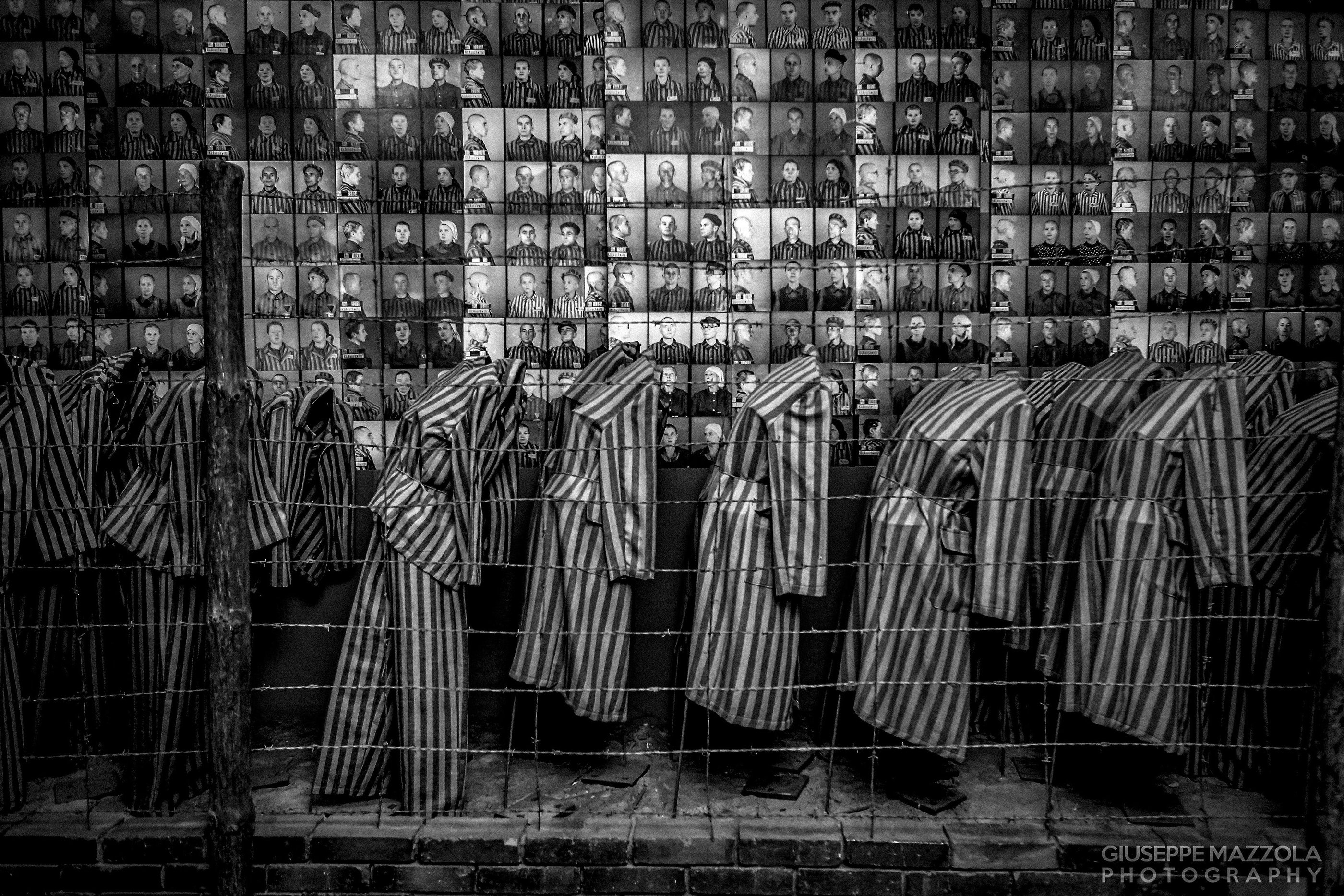
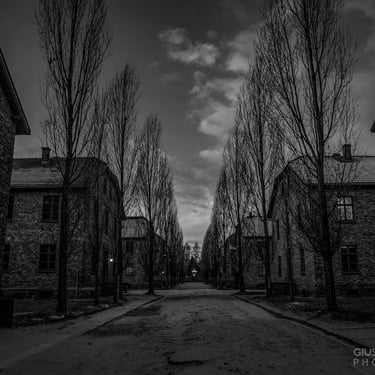
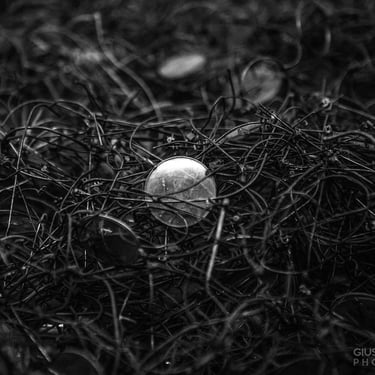
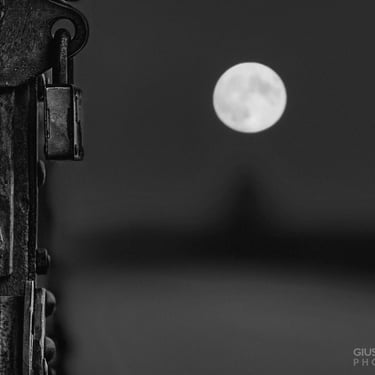
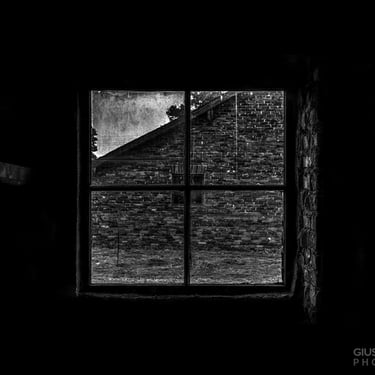
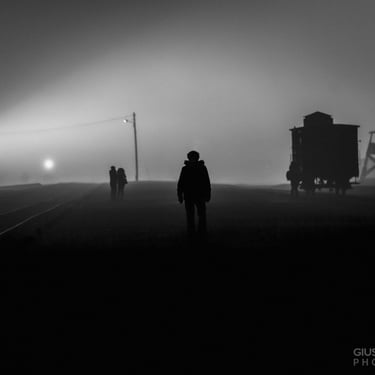
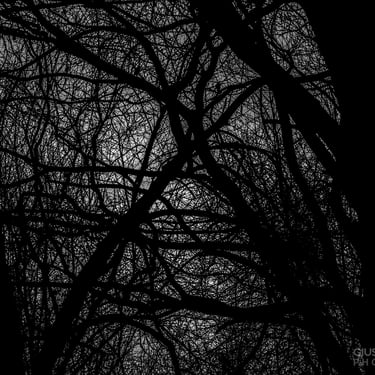
A topography of absence: when the photography becomes an act of resistance and a raw denunciation against the banality of evil.
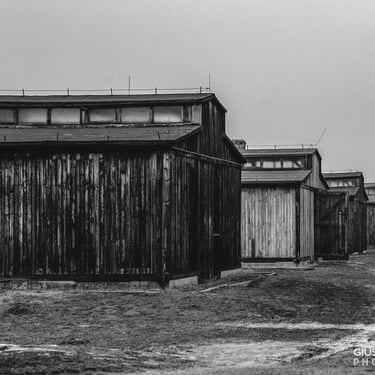
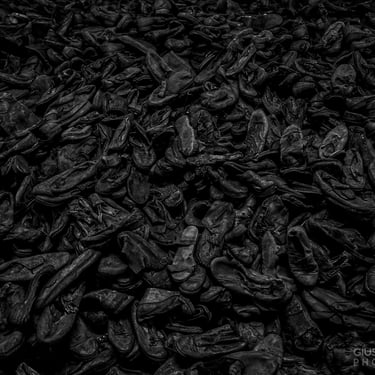
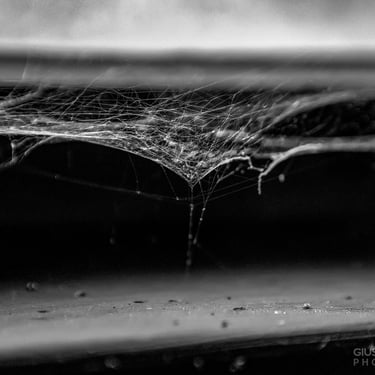
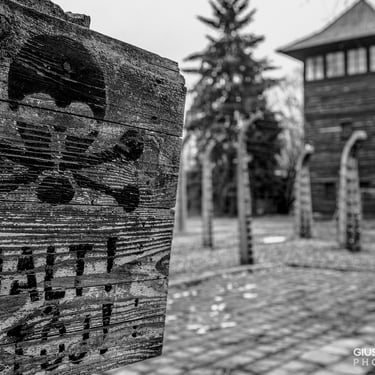
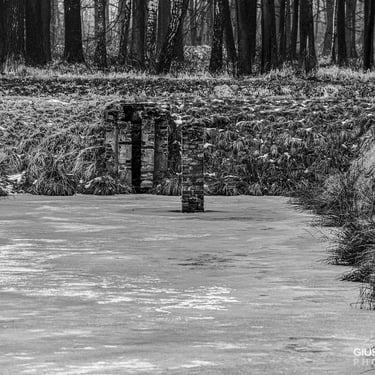
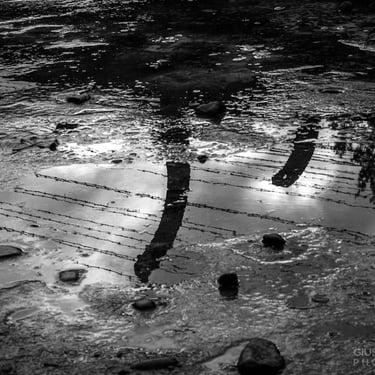
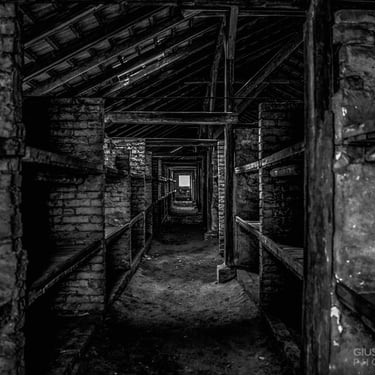
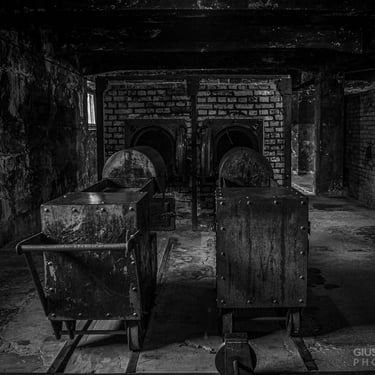
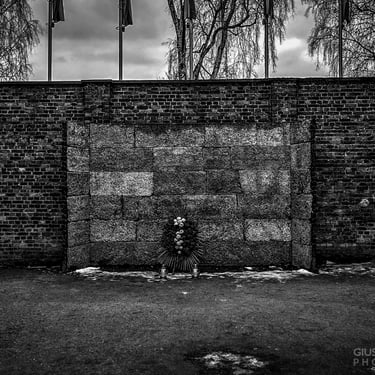
The reportage born as a civil and social pact with Memory to commemorate all the victims of the Holocaust and all hate crimes. A visual and introspective journey that contrasts the horror of the past with the emptiness of the present. Through the lens, Memory of the Shoah manifests itself as a powerful investigative tool and a civil mission to denounce all hate crimes. More than a simple reportage, the project is a manifesto of inclusion that urges new generations not to repeat the mistakes of history.
auschwitz after auschwitz
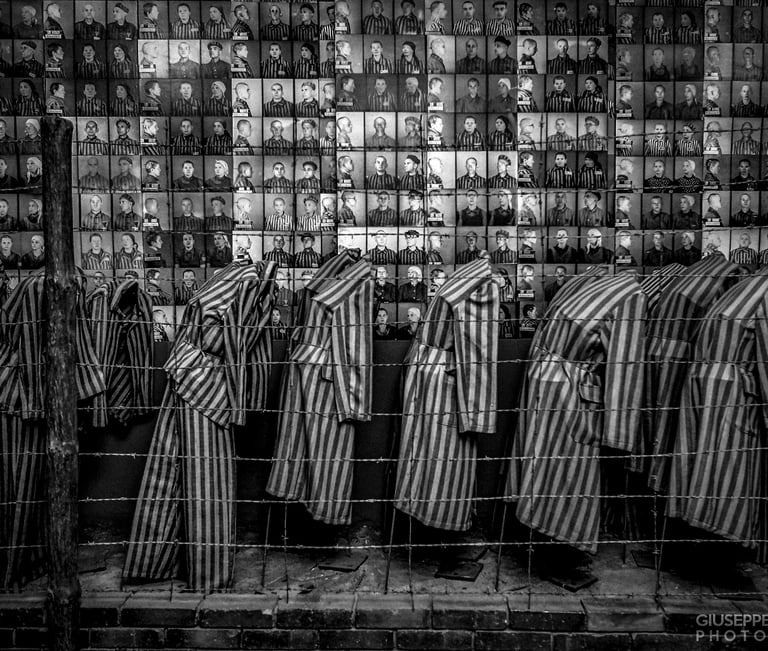
A topography of absence: when the photography becomes an act of resistance and a raw denunciation against the banality of evil.
The reportage born as a civil and social pact with Memory to commemorate all the victims of the Holocaust and all hate crimes. A visual and introspective journey that contrasts the horror of the past with the emptiness of the present. Through the lens, Memory of the Shoah manifests itself as a powerful investigative tool and a civil mission to denounce all hate crimes. More than a simple reportage, the project is a manifesto of inclusion that urges new generations not to repeat the mistakes of history.
Il Buco Nero della Storia
Auschwitz. Un nome il cui solo suono lacera il tempo.
Qui la storia si fa prova forense. Quando il 20 gennaio 1942, nella villa sul lago di Wannsee, Reinhard Heydrich e i vertici nazisti formalizzarono la Endlösung der Judenfrage (la Soluzione Finale), l'omicidio si tramutò in catena di montaggio.
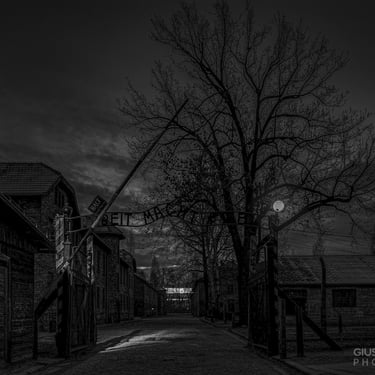
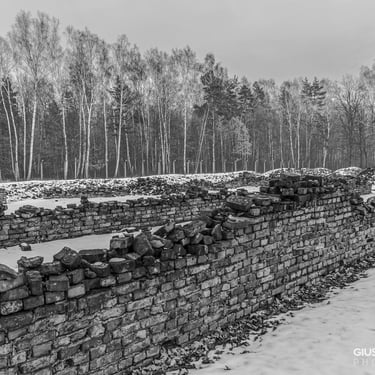
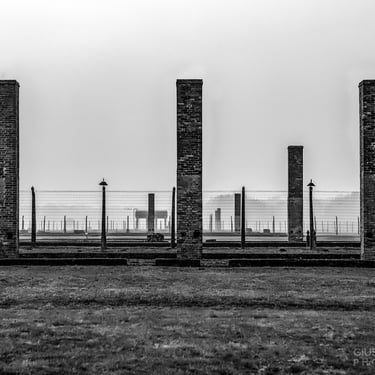
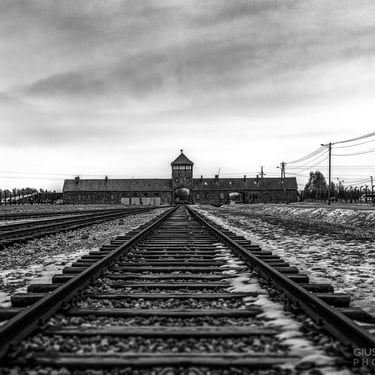
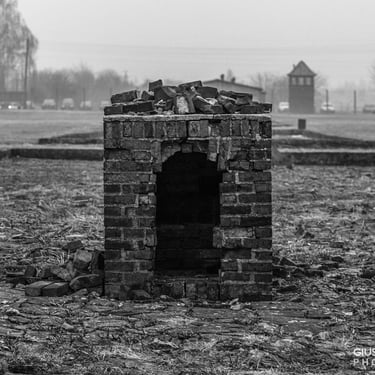
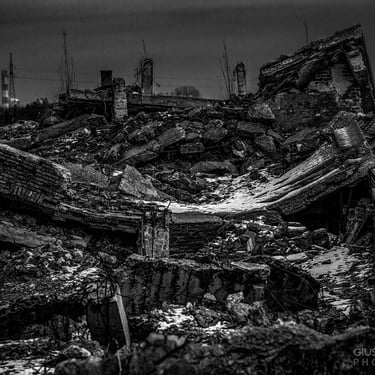
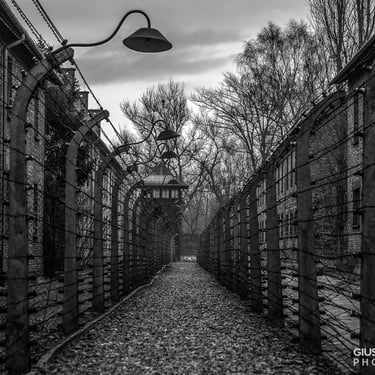
Auschwitz-Birkenau ne fu l'apice ingegneristico, il buco nero in cui vennero inghiottite circa 1,1 milioni di persone. Attraversare quel cancello sormontato dal beffardo motto Arbeit Macht Frei ha alterato la mia biografia. Ho inquadrato le rovine dei Crematori II e III, fatti saltare dalle SS nel disperato tentativo di cancellare il loro crimine.
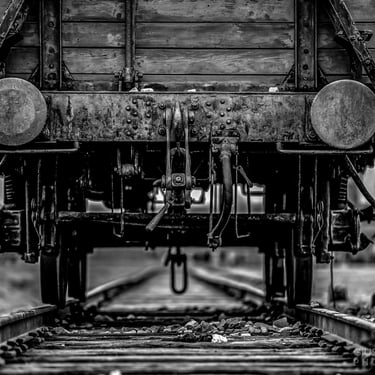
Ma la terra parla. Ho fotografato la Judenrampe, dove la Selektion — un semplice cenno del pollice di un medico — spartiva le vite destinando i più, in poche ore, alle camere a gas sature di Zyklon B.
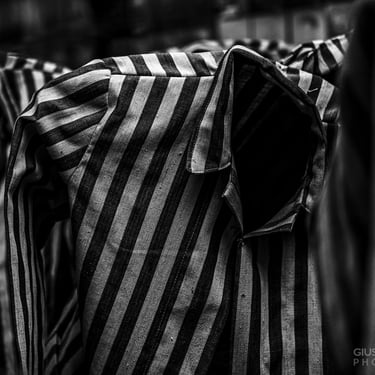
Questi luoghi oggi sono Custodi della Memoria. Chi li attraversa con la leggerezza del turista commette un sacrilegio. Il mio compito è tradurli in strumenti di conoscenza per chi non c'era, dimostrando visivamente che l'indicibile è stato tecnicamente concepito e burocraticamente eseguito.
Come ammoniva Primo Levi: "È accaduto, quindi può accadere di nuovo".
The Black Hole of History
Auschwitz. A name whose very sound rends time.
Here, history becomes forensic evidence. When on January 20, 1942, in the villa on Lake Wannsee, Reinhard Heydrich and the Nazi leaders formalized the Endlösung der Judenfrage (Final Solution), murder became an assembly line.
Auschwitz-Birkenau was the pinnacle of engineering, the black hole that swallowed approximately 1.1 million people. Crossing that gate surmounted by the mocking motto Arbeit Macht Frei altered my biography. I framed the ruins of Crematoria II and III, blown up by the SS in a desperate attempt to erase their crime.
But the earth speaks. I photographed the Judenrampe, where the Selektion — a simple wave of a doctor's thumb — divided lives, destining most, within hours, to gas chambers saturated with Zyklon B.
These places today are Guardians of Memory. Anyone who passes through them with the carefree attitude of a tourist commits a sacrilege. My task is to translate them into tools of knowledge for those who weren't there, visually demonstrating that the unspeakable was technically conceived and bureaucratically executed.
As Primo Levi warned: "It happened, therefore it can happen again."
Giuseppe Mazzola